
Cotton Kills… Or Does It? Understanding the Best Fabrics for Hiking
If you’ve spent enough time around hikers, backpackers, or outdoor gear shops, you’ve probably heard someone say it:
“Cotton kills.”
It sounds a little dramatic. After all, most of us wear cotton all the time. Cotton T-shirts are comfortable. Jeans are durable. Your favorite hoodie is probably some version of cotton.
So why does cotton suddenly become the villain when you hit the trail?
The short answer: cotton isn’t inherently dangerous. But in the wrong conditions, especially when temperatures drop, cotton’s ability to absorb and hold moisture can become a real problem.
And if you live and adventure in Colorado, where a warm, sunny afternoon can turn into wind, rain, hail, or dramatically cooler temperatures surprisingly quickly, understanding what your outdoor clothing is actually doing can make a big difference.
So, is cotton really that bad? When is it perfectly fine? And what should you wear instead?
Let’s get into the surprisingly nerdy world of outdoor fabrics.
Why Do Hikers Say “Cotton Kills”?
The problem isn’t necessarily cotton itself.
The problem is water.
Cotton is highly absorbent. When you sweat, hike through rain, cross a creek, or otherwise get wet, cotton absorbs that moisture and takes considerably longer to dry than many common outdoor fabrics. Cotton is inefficient at wicking moisture and drying, meaning it can stay wet against your skin and leaves` you feeling chilled as temperatures drop.
That matters because your clothing is part of your body’s temperature-management system.
On a warm afternoon, a sweaty cotton T-shirt might just feel uncomfortable.
But add:
Wind.
A drop in temperature.
A late-afternoon storm.
Higher elevation.
Or an unexpected extra couple of hours on the trail.
Suddenly, that cold, wet shirt pressed against your skin isn’t nearly as harmless.
That’s where the ominous-sounding phrase “cotton kills” comes from.
It doesn’t mean wearing a cotton T-shirt on a walk through Garden of the Gods is a death wish.
It means cotton is a poor choice when staying warm and dry matters.
And in Colorado, those conditions can change quickly.
What Does “Moisture-Wicking” Actually Mean?
Outdoor brands LOVE this phrase.
Moisture-wicking.
But what does it actually mean?
A moisture-wicking fabric helps move sweat away from your skin toward the outer surface of the material, where that moisture can evaporate more easily.
The goal is simple:
Keep moisture from sitting against your skin.
We recommend materials like merino wool, polyester, and nylon for moisture management because they wick moisture and dry faster than cotton.
That’s especially important for the layer directly touching your body.
Your base layer isn’t really there to make you warm. Its first job is moisture management.
Then your insulating layers help retain body heat, while your outer shell helps protect you from wind and precipitation.
If you want a deeper dive into building that system, check out MER’s guide to choosing hiking clothing for Colorado.
Cotton vs. Merino Wool vs. Polyester vs. Nylon
Walk through an outdoor store and you’ll see a LOT of fabric names on tags.
Here’s what they actually mean for you.
Cotton
The good:
Cotton is comfortable, breathable, widely available, and often inexpensive. It can also be perfectly enjoyable in hot, dry weather when getting cold isn’t a concern.
The bad:
Cotton absorbs moisture and dries slowly. That means sweat can stay against your skin instead of drying quickly.
Best for:
Casual outdoor activities, hanging around camp, short walks, dry summer outings, and low-risk adventures where you can easily change clothes or return to your vehicle.
Think:
A sunny picnic at Red Rock Canyon Open Space? Sure.
A long October hike above treeline with questionable weather moving in?
Maybe leave the cotton hoodie at home.
Merino Wool
Merino is one of those materials that makes you wonder how sheep figured out technical outdoor clothing before humans did.
Unlike the thick, itchy wool sweater you might be picturing, modern merino wool uses much finer fibers.
It’s breathable, moisture-wicking, relatively quick-drying, and particularly good at resisting odor.
That’s why you’ll find it in:
Base layers
Hiking socks
T-shirts
Long sleeves
Beanies
Gloves
It’s particularly useful for backpacking or multi-day adventures because you can wear merino for longer without smelling quite as…adventurous.
The downside?
It’s generally more expensive than synthetic fabrics and can be less durable depending on the garment.
Which also makes finding quality merino secondhand pretty exciting.
Polyester
There’s a reason polyester is everywhere in outdoor clothing.
It’s lightweight, relatively affordable, moisture-wicking, and fast-drying. Polyester and nylon are commonly used because they perform well at moving sweat and drying quickly.
Polyester is commonly found in:
Base layers
Technical T-shirts
Fleece
Hiking shirts
Running clothing
Insulating layers
Fun fact: that cozy fleece jacket you wear all fall?
Fleece is typically polyester.
The downside is odor. Synthetic clothing can get funky faster than merino, especially on longer trips.
But for affordability and performance, polyester is hard to beat.
Nylon
Nylon is another outdoor-industry workhorse.
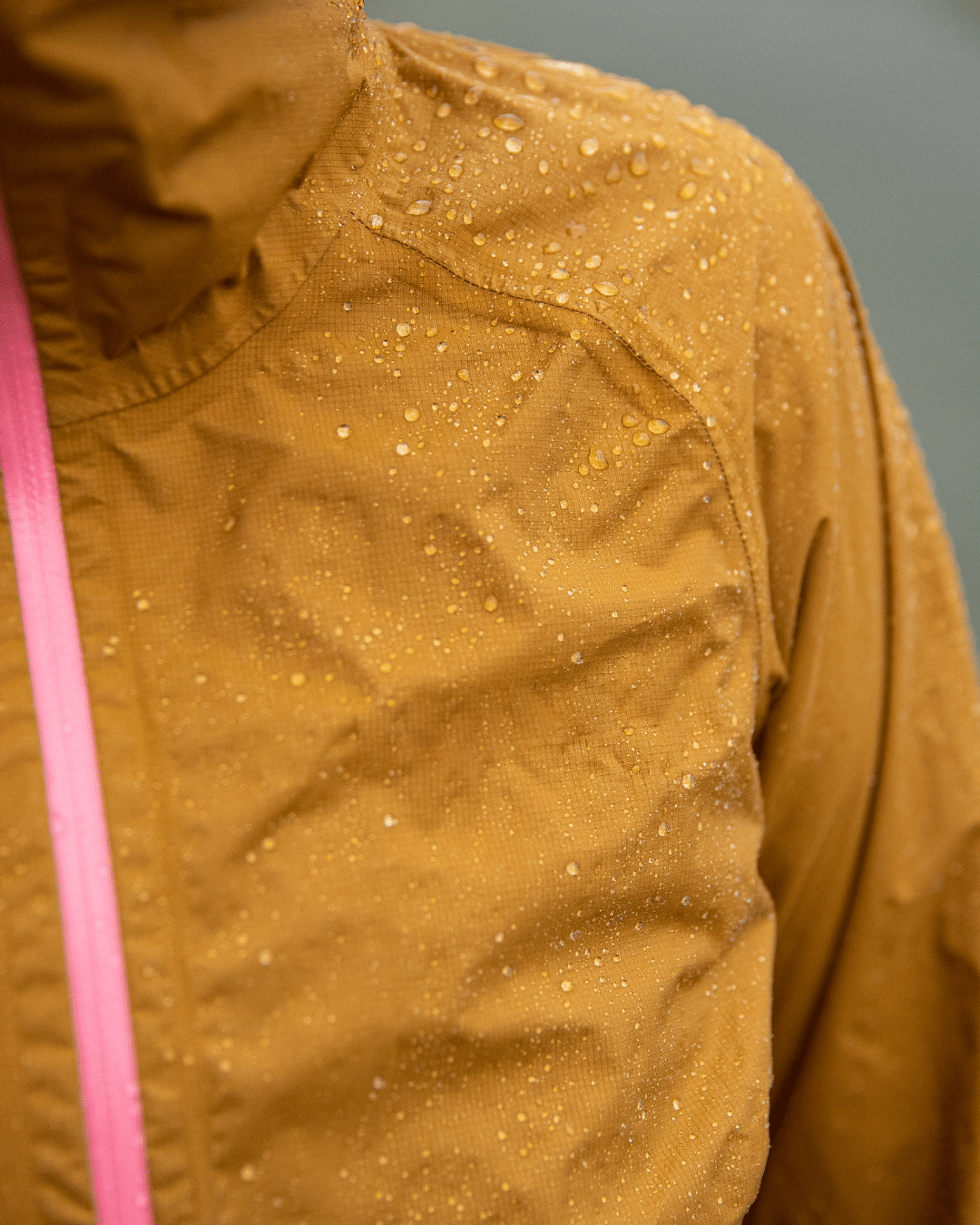
It’s durable, abrasion-resistant, lightweight, and commonly used for hiking pants, shorts, jackets, packs, and other gear that needs to withstand rubbing against rocks, branches, and the occasional poorly planned scramble.
Nylon is particularly known for abrasion resistance and tear strength.
That makes it a great choice when durability matters.
So… Is Cotton Ever Okay for Hiking?
Yes.
We’re officially giving cotton permission to come outside.
The phrase “cotton kills” is memorable because it communicates an important safety lesson quickly, but outdoor clothing doesn’t have to be treated as an all-or-nothing rule.
Cotton can be perfectly reasonable when you’re:
Taking a short hike in predictable weather
Walking close to town
Hanging around camp on a warm day
Exploring in hot, dry conditions
Doing an activity where getting wet or cold isn’t a significant risk
Context matters.
The farther you travel from your car, the higher you climb, the colder the forecast, and the more unpredictable the conditions become, the more important your clothing choices become.
Why This Matters Even More in Colorado
Colorado is particularly good at reminding people that seasons are more of a suggestion.
You can start a fall hike in a T-shirt and sunshine and find yourself reaching for a fleece and rain shell a few hours later.
Elevation also matters.
Conditions at a Colorado Springs trailhead can be dramatically different from conditions thousands of feet higher.
That’s why experienced hikers tend to think less about one perfect hiking outfit and more about a clothing system.
For a typical Colorado fall adventure, that might look something like:
Merino or synthetic T-shirt → fleece or light puffy → rain/wind shell.
As temperatures change, layers come off or go back on.
The goal isn’t to dress for how the weather feels standing next to your car.
It’s to be prepared for how it might feel later.
Check the Tag Before You Buy
Here’s one of the easiest ways to become a smarter outdoor shopper:
Read the tag.
Seriously.
When you’re browsing used outdoor clothing, don’t just look at the brand.
Look at what it’s made of.
You might find:
100% merino wool.
A nylon hiking pant with a little spandex for stretch.
A polyester fleece.
A synthetic technical shirt.
A cotton-polyester blend.
Those materials tell you a lot about how that piece will perform outdoors.
And knowing what you’re looking at makes shopping secondhand even better because you can recognize genuinely useful technical gear hiding on the rack.
MER carries gently used outdoor clothing alongside hiking, camping, cycling, climbing, skiing, snowboarding, and other outdoor gear, with inventory changing daily.
Don’t Automatically Replace Gear That Isn’t Performing
Before deciding an outdoor layer has reached the end of its life, make sure it actually needs replacing.
Technical clothing can lose performance when it’s dirty, improperly washed, or hasn’t been maintained correctly.
Rain shells can be reproofed.
Down can be washed.
Small tears can be patched.
Boots can sometimes be conditioned.
Gear can often keep adventuring much longer than we give it credit for.
We put together an entire guide on this: Repair, Don’t Replace: How to Make Outdoor Gear Last Longer.
Keeping outdoor gear in use longer is good for your wallet, and it keeps perfectly functional gear from being replaced unnecessarily.
What Should You Wear Hiking Instead of Cotton?
You don’t need to replace your entire closet with expensive technical clothing.
Start with the pieces that matter most.
For cooler-weather hiking, backpacking, or longer adventures, prioritize moisture-wicking materials against your skin.
Look for:
Merino wool or synthetic hiking socks
Polyester or merino base layers
Nylon or synthetic hiking pants
Polyester fleece for insulation
Down or synthetic insulated jackets
A windproof or waterproof outer shell
Then build your setup gradually.
One of the benefits of shopping secondhand outdoor gear is that you can experiment with higher-quality technical clothing without paying full retail price.
You might discover you’re a merino person.
You might decide synthetic base layers work perfectly well.
You might realize the $150 technical hiking shirt isn’t going to change your life.
That’s okay too.
The Bottom Line: Cotton Doesn’t Kill. Conditions Matter.
Cotton isn’t evil.
Your favorite cotton T-shirt hasn’t betrayed you.
The real lesson behind “cotton kills” is much simpler:
Understand what you’re wearing and choose clothing appropriate for the conditions you’re heading into.
If you’re walking around the neighborhood on a 75-degree afternoon, wear whatever makes you happy.
If you’re heading miles into the Colorado backcountry in October?
That’s when moisture-wicking layers, insulation, and weather protection start to matter.
The outdoors doesn’t require the fanciest gear.
But knowing how your gear works can help you adventure more comfortably, confidently, and safely.
And if you’re looking to build your outdoor clothing setup without buying everything brand new, stop by Mountain Equipment Recyclers in Colorado Springs. You never know what might have just hit the racks.
Frequently Asked Questions About Hiking Fabrics
Why do hikers say “cotton kills”?
Hikers say “cotton kills” because cotton absorbs moisture and dries slowly. If your clothing becomes wet from sweat, rain, or snow, that moisture can stay against your skin and contribute to rapid heat loss as temperatures drop. The phrase is intentionally dramatic, but the underlying lesson is important: cotton can be a poor clothing choice when you’re hiking in cold, wet, or unpredictable conditions.
Is cotton actually bad for hiking?
Not always. Cotton can be perfectly comfortable for short hikes in warm, dry weather, especially when you’re close to your vehicle or another easy exit. The concern increases on longer hikes, at higher elevations, during colder months, or anytime rain and rapidly changing weather are possible.
For Colorado hiking, it’s smart to carry appropriate layers even when the forecast looks good.
What is the best fabric for hiking?
There isn’t one best hiking fabric for every situation. Merino wool and polyester are excellent choices for base layers because they manage moisture well. Nylon is lightweight, quick-drying, and durable, making it especially popular for hiking pants and shorts. Your ideal hiking clothing will usually combine several materials depending on the weather and activity.
Is merino wool or polyester better for hiking?
Both are great options, but they have different strengths. Merino wool naturally resists odors and helps regulate temperature, making it especially useful for backpacking and multi-day trips. Polyester is typically more affordable, durable, lightweight, and quick-drying. For most hikers, either can make a great alternative to cotton.
Can I wear a cotton T-shirt hiking in Colorado?
On a short, warm-weather hike in predictable conditions, absolutely. For longer hikes, high-elevation adventures, or cooler fall and winter conditions, a moisture-wicking synthetic or merino wool shirt is usually the better choice. Colorado weather can change quickly, so consider where you’re going, how long you’ll be out, and what conditions you could encounter.
What fabrics should I avoid when hiking in cold weather?
Cotton is generally the biggest one to reconsider because it absorbs moisture and dries slowly. For cold-weather hiking, choose moisture-wicking base layers made from merino wool or synthetic materials, add an insulating layer such as fleece or a puffy jacket, and carry weather protection when conditions call for it.
Is merino wool worth the price?
For many outdoor enthusiasts, yes—especially for socks and base layers. Merino wool is comfortable across a wide range of temperatures, manages moisture, and resists odors particularly well. However, you don’t need an entirely merino wardrobe to enjoy the outdoors. Synthetic clothing can perform extremely well at a lower price point, and buying quality merino secondhand can make it much more affordable.
Can you buy hiking clothes secondhand?
Definitely. Quality outdoor clothing can have years of life left after its original owner is finished with it. When shopping secondhand, check the fabric content, seams, zippers, elastic, stains, excessive wear, and overall condition. Technical pieces from reputable outdoor brands can be an especially good secondhand find.
What should I wear for fall hiking in Colorado?
Fall hiking in Colorado is all about layers. A moisture-wicking merino or synthetic base layer, fleece or lightweight insulated jacket, and a wind or rain shell can give you flexibility as conditions change. Don’t forget wool or synthetic socks, appropriate footwear, and extras like a hat and gloves when heading into colder or higher-elevation areas.
Do I need expensive technical clothing to go hiking?
Nope. Good outdoor clothing is about function, not the logo on the tag. Look for clothing that manages moisture, fits comfortably, allows you to move, and provides appropriate insulation and weather protection for your adventure. Shopping secondhand is also a great way to build a quality outdoor wardrobe without paying full retail price.
And I especially like that last question for MER because it brings the whole article back to the bigger message: you don’t need a $400 outfit to go enjoy Colorado. Good gear, used intelligently, is what matters.